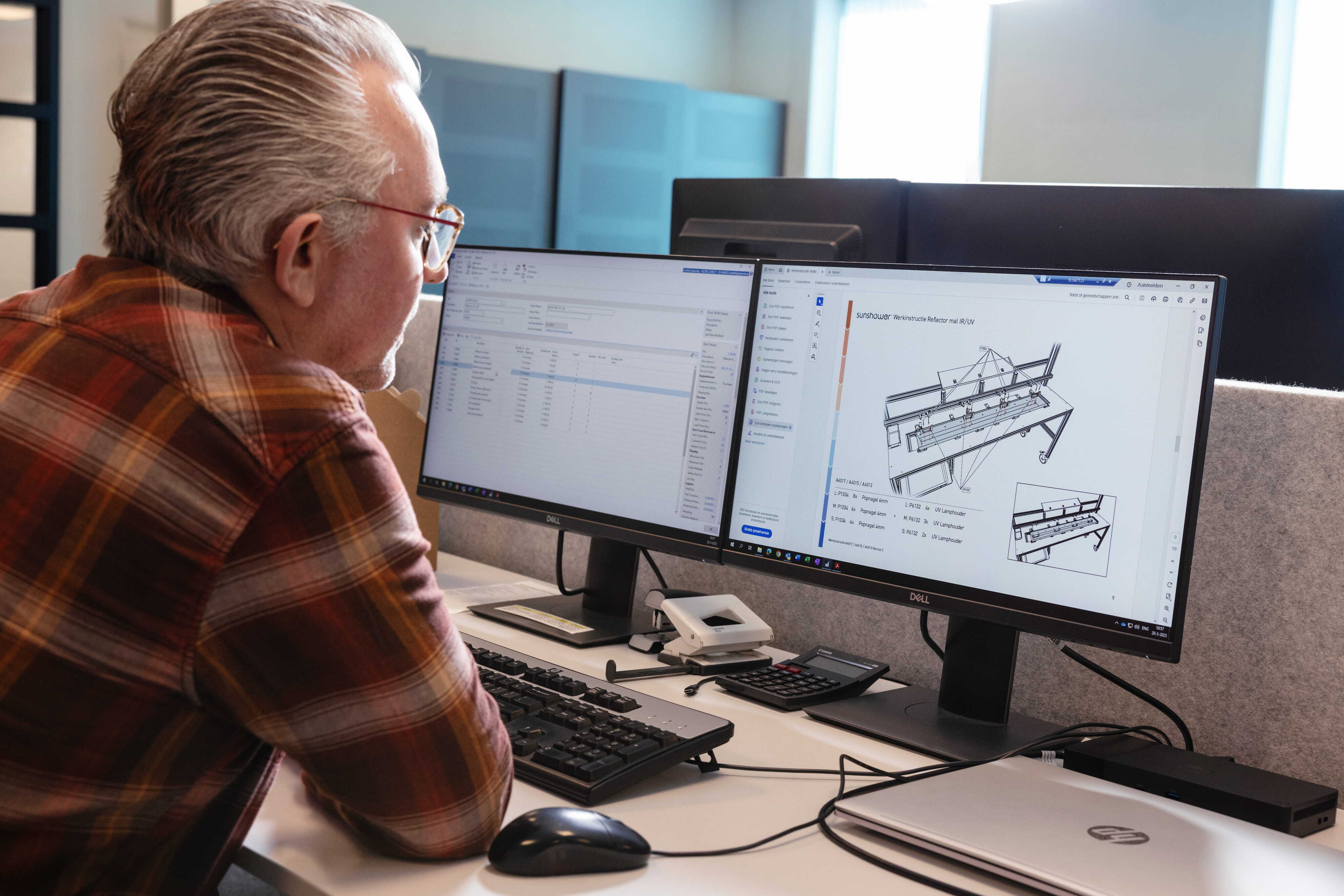
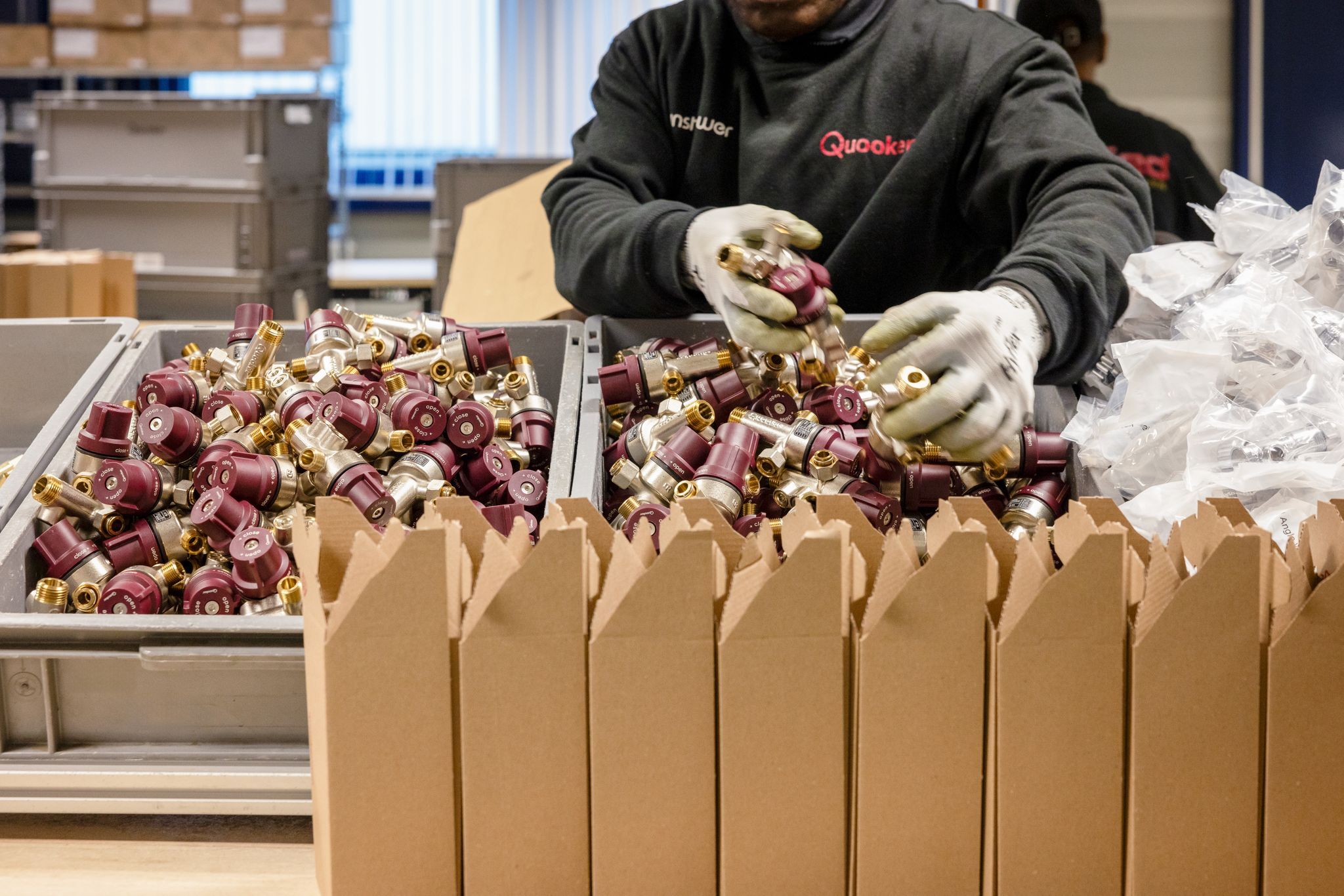
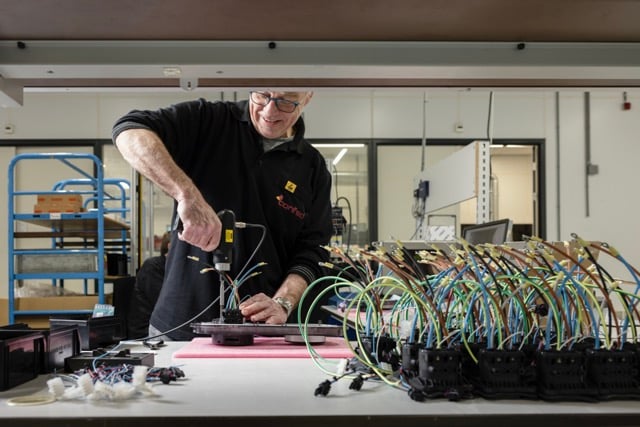
The essence of an embedded system is that software is embedded within a hardware device. In an embedded system, software that runs on processors take over some of the electronic measurement and control tasks. As the software can be made easily replaceable, it becomes possible to adapt equipment to future requirements. Given today’s rapid growth and developments, this has become a prerequisite for many devices.
The five characteristics of an embedded system
Embedded systems generally have five main characteristics. We will briefly explain these.
-
Diversity. Thanks to collaboration between different disciplines, embedded systems can communicate with various types of networks and other embedded systems.
-
Invisibility. Embedded systems are built into machines or equipment, and users are usually unaware of their existence. This is possible because embedded systems are treated differently from ‘ordinary’ computers: rather than receiving commands from people via keyboards or switches, embedded systems respond automatically to their environment without human intervention. This is achieved through sensors, which can, for example, analyse and respond to factors such as sound, temperature or air quality.
-
Energy efficiency. To operate as efficiently as possible, embedded systems can, for example, draw energy from their surroundings; energy such as sunlight or body heat can be used to power the embedded systems. Energy efficiency is very important, as most embedded systems are not connected to the mains.
-
Flexibility. Flexibility is important for adapting embedded systems to the individual needs of users or neighbouring embedded systems. This is where heterogeneity comes into play: after all, embedded systems must be able to communicate with neighbouring systems. That is why the system can configure itself.
-
Reliability. Embedded systems must operate autonomously and reliably over a long period. Consider, for example, a car’s ABS system, which must not fail even in the most critical situations.
Examples of embedded systems
Chips are becoming increasingly cheaper and more flexible. This applies both to processor chips and to chips for sensors and actuators, amongst other things. As a result of this development, embedded systems are being used more and more frequently to make devices smarter. Consider, for example, home automation, such as window blinds, lighting, lawnmowers and home irrigation systems. But also robots, smartphones, washing machines and cars. Cars, in particular, now feature dozens of embedded systems to control all sorts of functions, such as safety systems and autonomous driving. Many more devices and products are equipped with embedded systems, although consumers are not always aware of this.