Smart products from concept to production
Our expertise lies in the development of embedded systems—electronic products that combine hardware, embedded software, and firmware. We support our clients throughout the entire lifecycle of their product.
Bringing technology to life

Choose your language

Solutions

Time-to-market
More information

Keeping project costs under control
More information

Component reliability
More information

Reliable supplier
More information

Supply chain management
More information

Flexibility
More information

Inventory and risk management
More information

Added value through knowledge
More information
Sectors
Energy & electrification
Electronics for the global energy transition.
Mobility & smart infrastructure
Electronics, wiring harnesses and module assembly for smart mobility.
High-tech systems & precision equipment
Assembly for high-tech (semiconductor) systems.
Industrial OEM solutions
We take the pressure off OEMs by providing high-quality PCBA assembly, wiring harness assembly and complete module manufacturing.
High-quality consumer products & equipment
Assembly of premium consumer electronics.
Agricultural & horticultural technology
Assembly and module construction for the agricultural sector.
Services
About us

Our expertise lies in the development of embedded systems—electronic products that combine hardware, embedded software, and firmware. We support our clients throughout the entire lifecycle of their product.
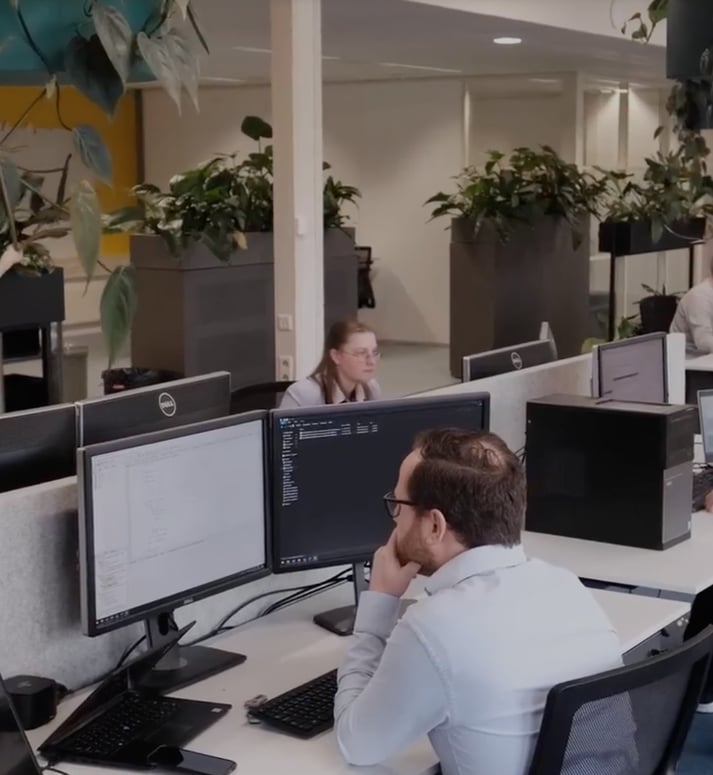
We translate your initial concept into a manufacturable design. This includes defining the requirements, selecting the system architecture, developing the detailed design, implementation and prototype build, followed by verification, validation and acceptance.
To keep cost and time under control during the development process, we use Easy Redmine. Each project is divided into a clear structure in which deliverables and hours spent per activity are recorded.We use issue tracking to document and follow up design decisions, test results and improvement points. For design management, we use structured version control.
When tackling a development project, we choose the best project approach. For projects where the starting points can be clearly defined, we use the V-model. For projects where the client requires a great deal of flexibility, we use the Time-Material Model.
We support you in managing the lifecycle of your products: during development, throughout production and beyond. We do this by handling everything from repairs to monitoring the availability of spare parts. Budgets for renewal and maintenance are limited. We give you the insight and options you need to keep costs under control. With the right visibility at every stage of the lifecycle, you create the room to invest where it matters most.


Teun van Kuppeveld
The Process
We begin by jointly defining the product specifications and requirements. In addition to the functional requirements, we also consider non-functional aspects such as performance, compliance with legal (CE) requirements, environmental conditions, and so on. If the technical feasibility or the product’s basic principles are unclear, we can begin by conducting a proof of concept or feasibility study.
The second step is to define the system architecture. We assess key considerations such as make-or-buy decisions, hardware and software choices, microcontroller selection and related technical trade-offs.For the main functions, we select suitable components, while the software architecture is defined at system level. We also assess the product’s form factor. The architecture is documented in an Architectural Design Document, or ADD.
In this phase, detailed designs are created for the relevant disciplines: Software, Hardware, Interfaces, and Enclosure design. Each discipline follows its own structure and methodology. During these phases, several specialists from our design team work on the project.
During the implementation phase, the design is realised in line with the detailed design phase. Based on the agreed definitions, the actual software coding is carried out.Using the hardware design document as the basis, the electrical schematic is created in Altium Designer. Once the hardware implementation has been completed, one or more product prototypes are built. This can be coordinated by our own protoshop.
In this phase, we verify whether the implementation has been carried out correctly. The first step is to test the prototype to determine whether it meets the defined functionality.We then test the integration of the hardware and software. This allows us to confirm that the complete product meets the characteristics defined in the system architecture. During final acceptance testing, we check whether the product meets the requirements set out in the Requirements Document.Any deviations in the design are recorded. Before the design is released for production, all recorded deviations are incorporated into the design.
Once the design is ready for production, we deliver the Technical Product Documentation, or TPD, together with a test strategy. These documents are used to prepare the production equipment for the assembly of a pilot series.When the pilot series has been completed and the production test systems have been validated, the product can be released for production. The design team remains available to provide support during the production phase.This may include advice on the use of second-source components and support during production testing.
Cases
We offer solutions to the complex challenges that OEMs and module manufacturers face on a daily basis. From the very first concept right through to the scalable series production of high-quality electronics.
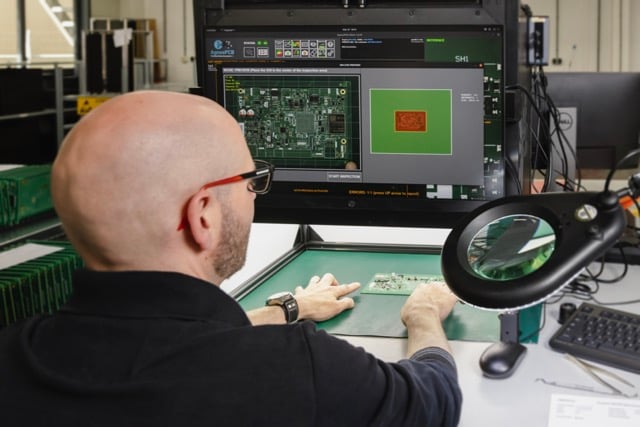
Are you facing intense pressure on development times and the budget, without being able to compromise on quality? Find out here what we can offer to help you maintain this balance in every development project.
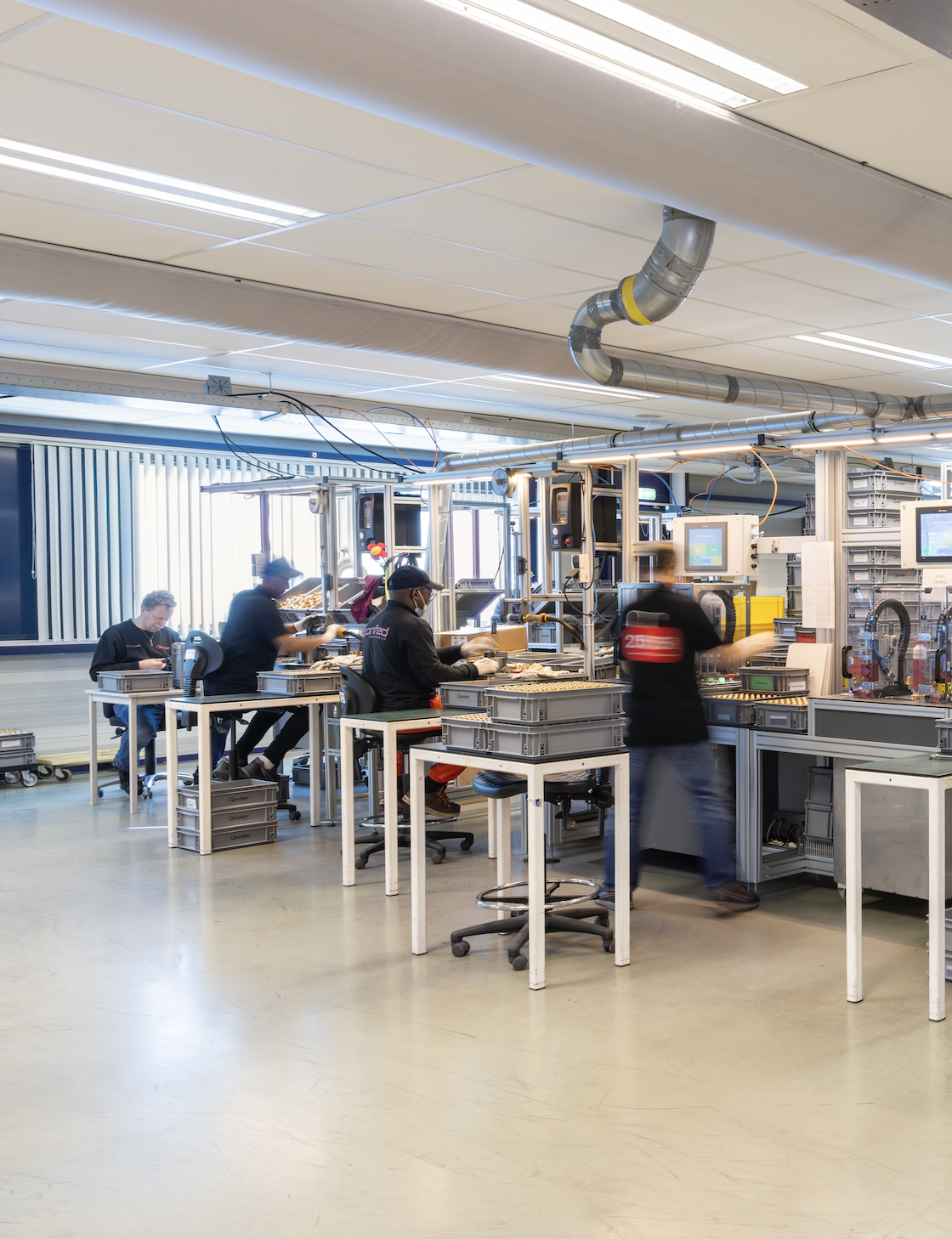
Avoid unexpected expenditure caused by factors such as feature creep during the design phase. Read here about the transparency we offer you at this stage and how you can maintain control over development costs.
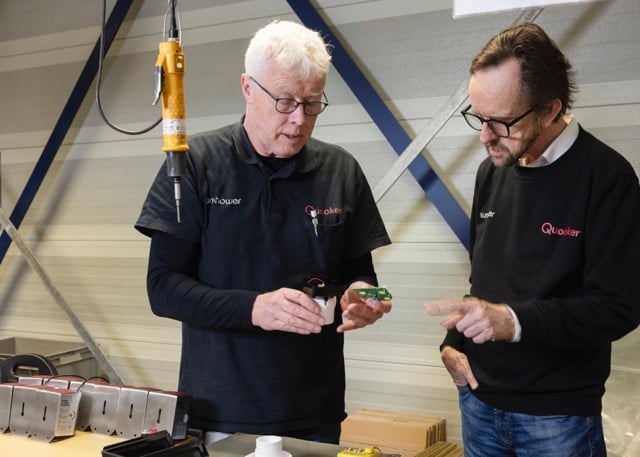
Do you want to avoid costly redesigns caused by component shortages or an unforeseen ‘end-of-life’ status? Read here to find out how we support our customers throughout the design process by ensuring component availability.
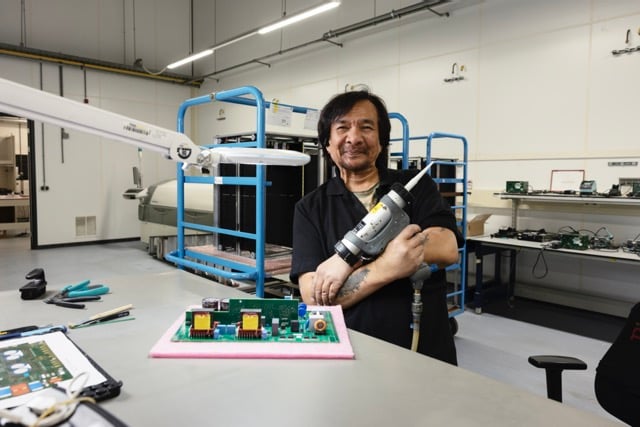
Strengthen your own development capabilities with our in-depth technical and specialist expertise. Draw on our specialist knowledge in electronics, cabling and mechanics to complement the skills of your own team.
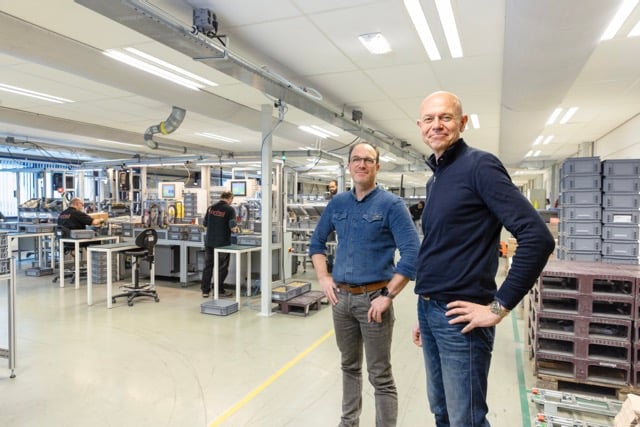
Achieve maximum predictability and control over your PCBs and cable assemblies. Find out how we prevent unpleasant surprises such as product rejects or missed delivery deadlines.
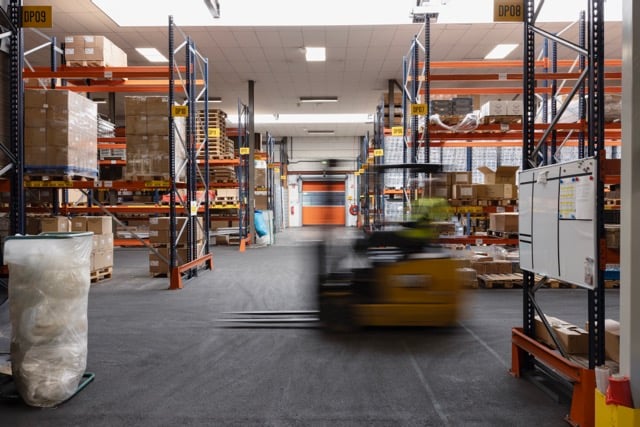
Find out here how we can take the operational management of the supply chain completely off your hands. With dedicated points of contact and extensive automation, we prevent inefficiencies and resolve challenges in no time at all.
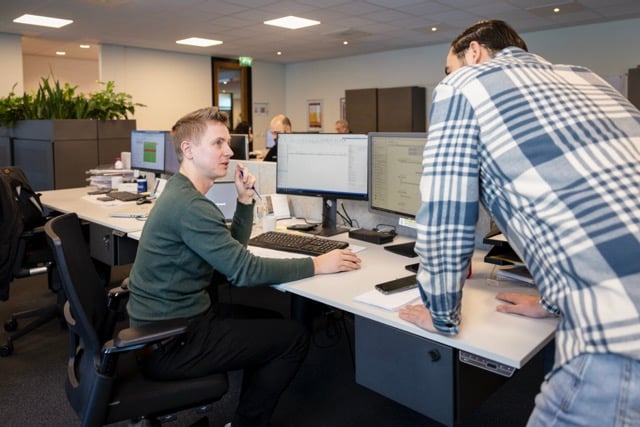
We scale effortlessly in line with market demand. Read here to find out how our processes are designed to enable us to respond immediately to changing volumes and unexpected design changes.
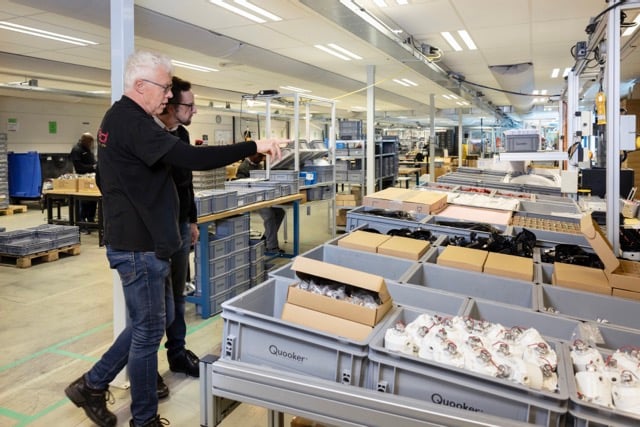
Minimise risks and safeguard your business continuity. Find out here how we use strategic inventory management and clear agreements to safely and effectively mitigate market fluctuations. Avoid surprises before they happen with our approach.
Sectors
Confed supports a range of industries with bespoke electronics solutions, from one-off items to mass production.
The leading partner in the Netherlands
Confed supports a range of industries with bespoke electronics solutions, from one-off items to mass production.

01
Social skills
01
Social skills

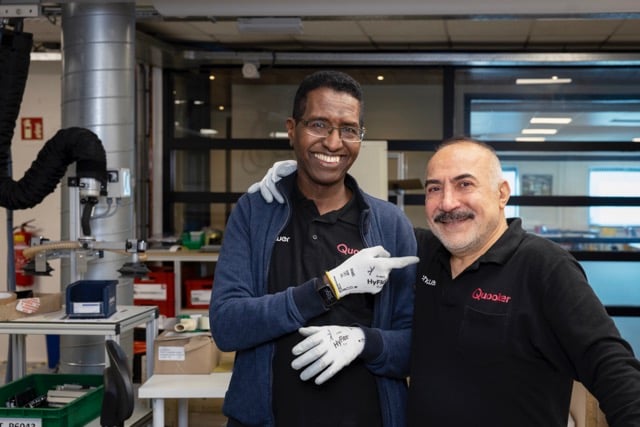
Production with social talent
Confed is an inclusive organisation brimming with talented people who face barriers to the labour market. We are proud of our staff and of our PSO Level 3 30+ certificate from TNO.
02
High-mix & low-volume
02
High-mix & low-volume

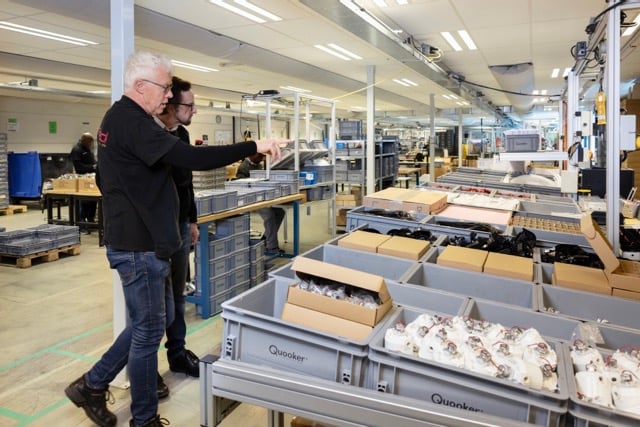
Built for high-mix, low-volume production
Ideal for OEMs and module manufacturers with complex products, fluctuating production volumes and high quality standards. When flexibility, complexity and versatility are paramount, we are in our element.
03
Standards and certification
03
Standards and certification

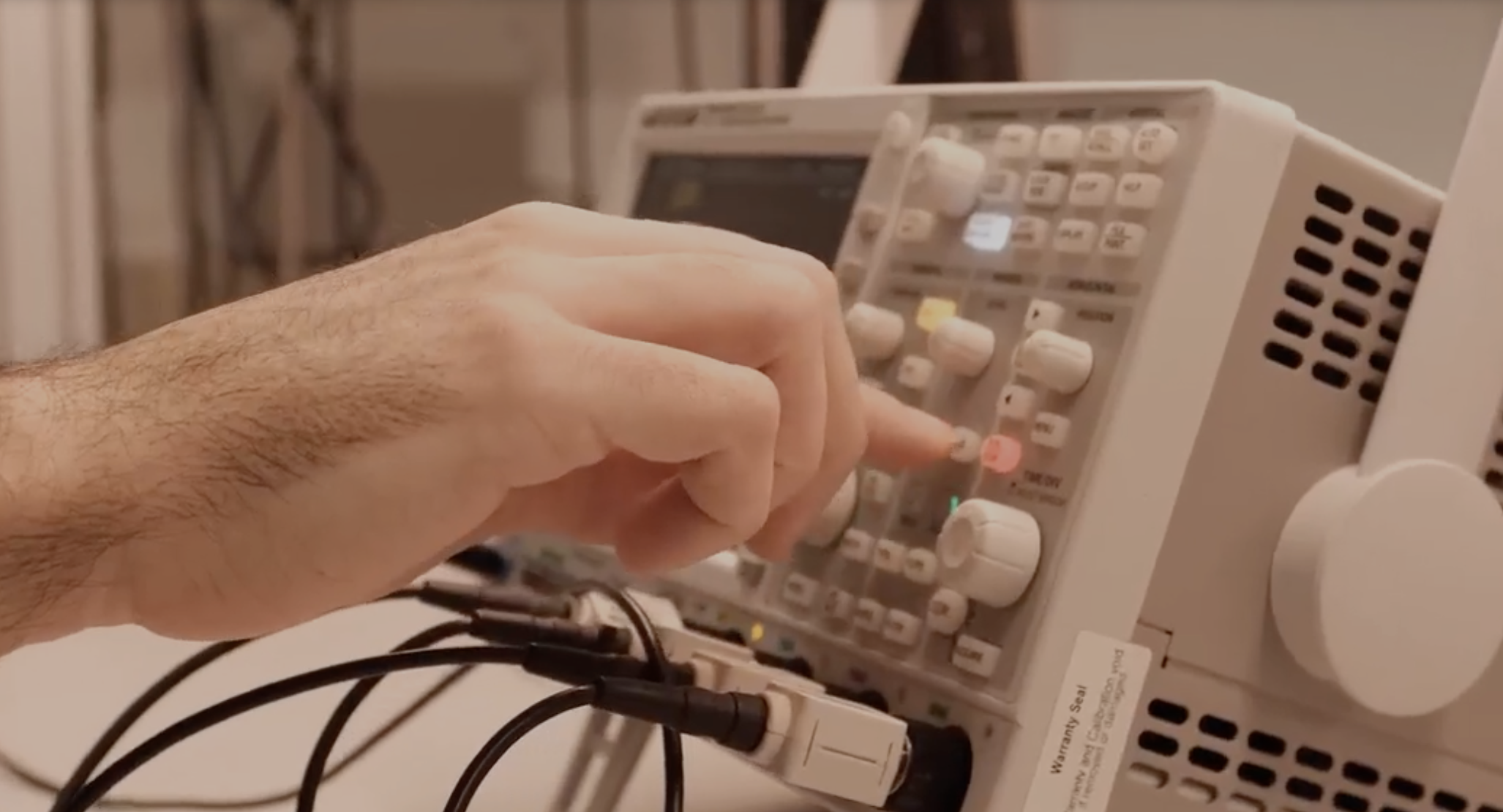
Quality assured through certification
Quality is our top priority. We invest not only in our machinery, but also in our people and our working methods. Here are just a few of our certifications: ISO-9001 and ISO-14001, IPC-610 and IPC-620.

04
A close-knit and stable team
04
A close-knit and stable team

A passion for people and technology
Confed is all about collaboration that puts people first. We ensure that the working environment, workload and predictability are optimally suited to our staff.
05
25+ years experience
05
25+ years experience

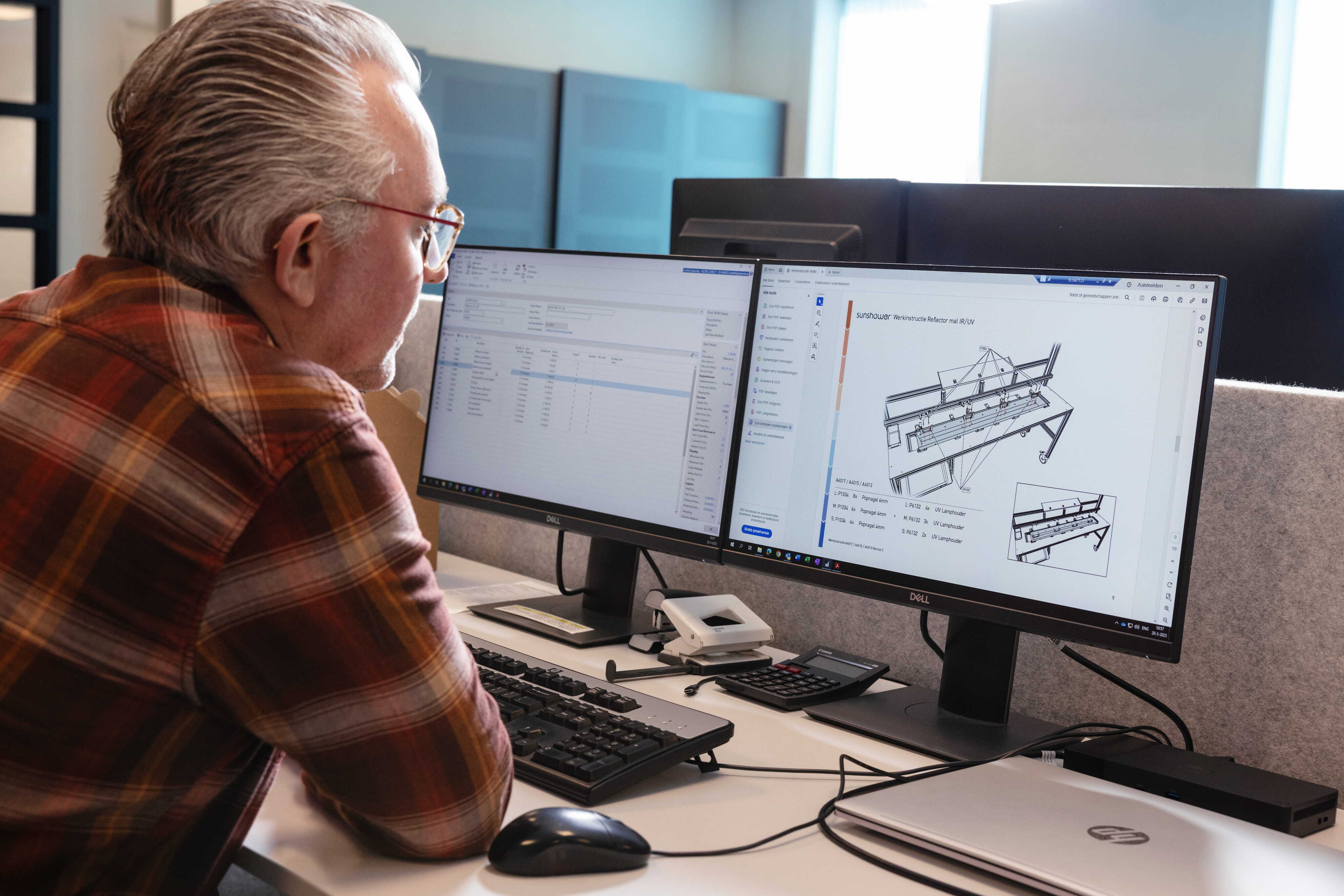
Over 25 years of craftsmanship
We have in-depth knowledge of every aspect of electronics manufacturing. From techniques to components. From logistics to testing. We’ve cut our teeth in the electronics industry.
Knowledge Base


Systems Architect
Contact
During a no-obligation consultation, we’d be happy to help you discover what a partnership with Confed can mean for you.
Sectors
Solutions